
Acyanotic Heart Disease Treatment in Faridabad
Acyanotic Heart Disease
Acyanotic Heart Disease
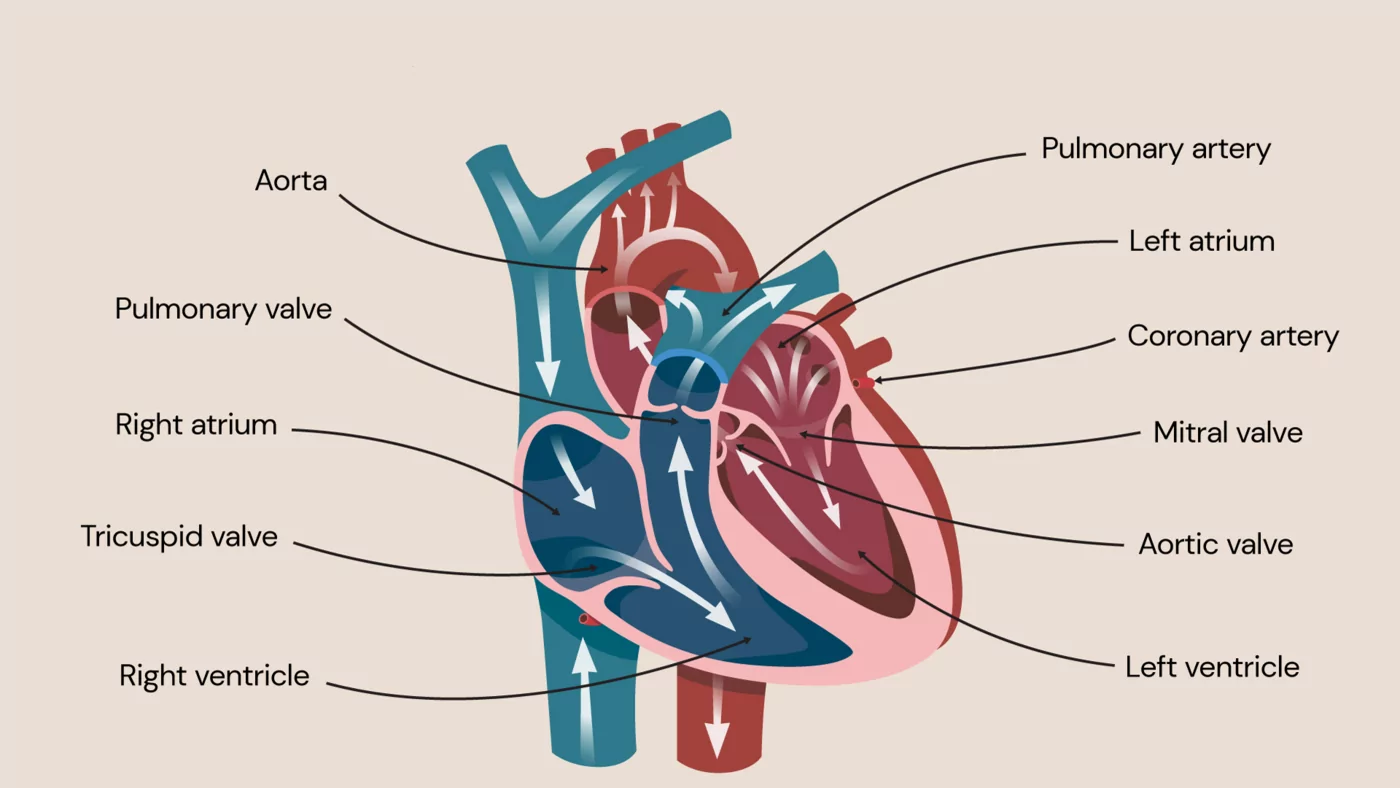
Acyanotic heart disease refers to a group of congenital (present from birth) heart conditions in which there is an abnormal structure of the heart, but oxygen-rich blood still reaches the body, so the skin does not appear bluish (cyanosis). These conditions are among the most common congenital heart diseases and can range from mild defects that resolve on their own to more serious conditions requiring medical or surgical treatment.
Acyanotic heart disease includes congenital heart defects where blood flow through the heart is abnormal but does not cause cyanosis (bluish discoloration of lips or skin). In most cases, oxygenated blood flows from the left side of the heart to the right side, creating a left-to-right shunt.
Common Types of Acyanotic Heart Disease
1. Atrial Septal Defect (ASD)
- A hole in the wall separating the upper chambers of the heart
- Causes extra blood flow to the lungs
- May remain undetected until adulthood
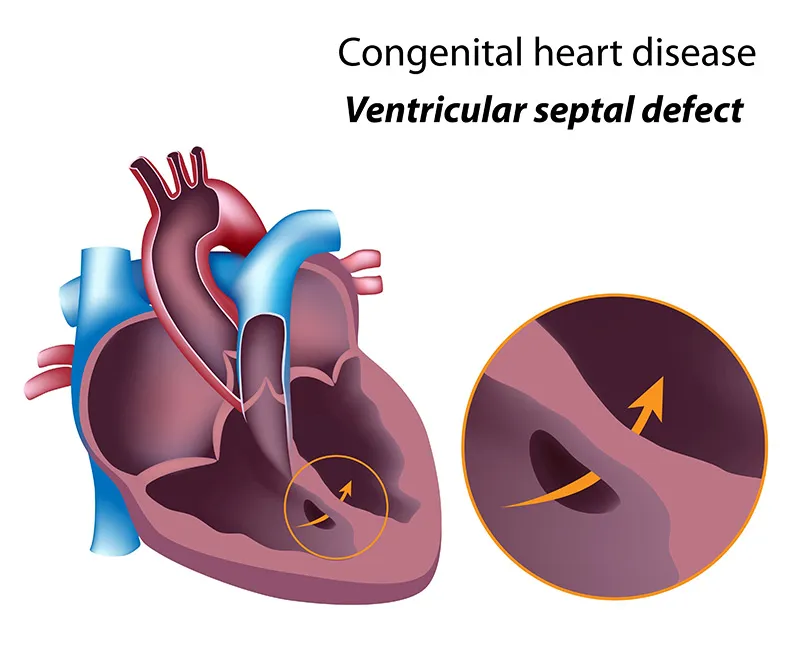
2. Ventricular Septal Defect (VSD)
- A hole between the lower chambers of the heart
- Most common congenital heart defect
- Small VSDs may close naturally
3. Patent Ductus Arteriosus (PDA)
- A blood vessel that normally closes after birth remains open
- Causes abnormal blood flow between the aorta and pulmonary artery
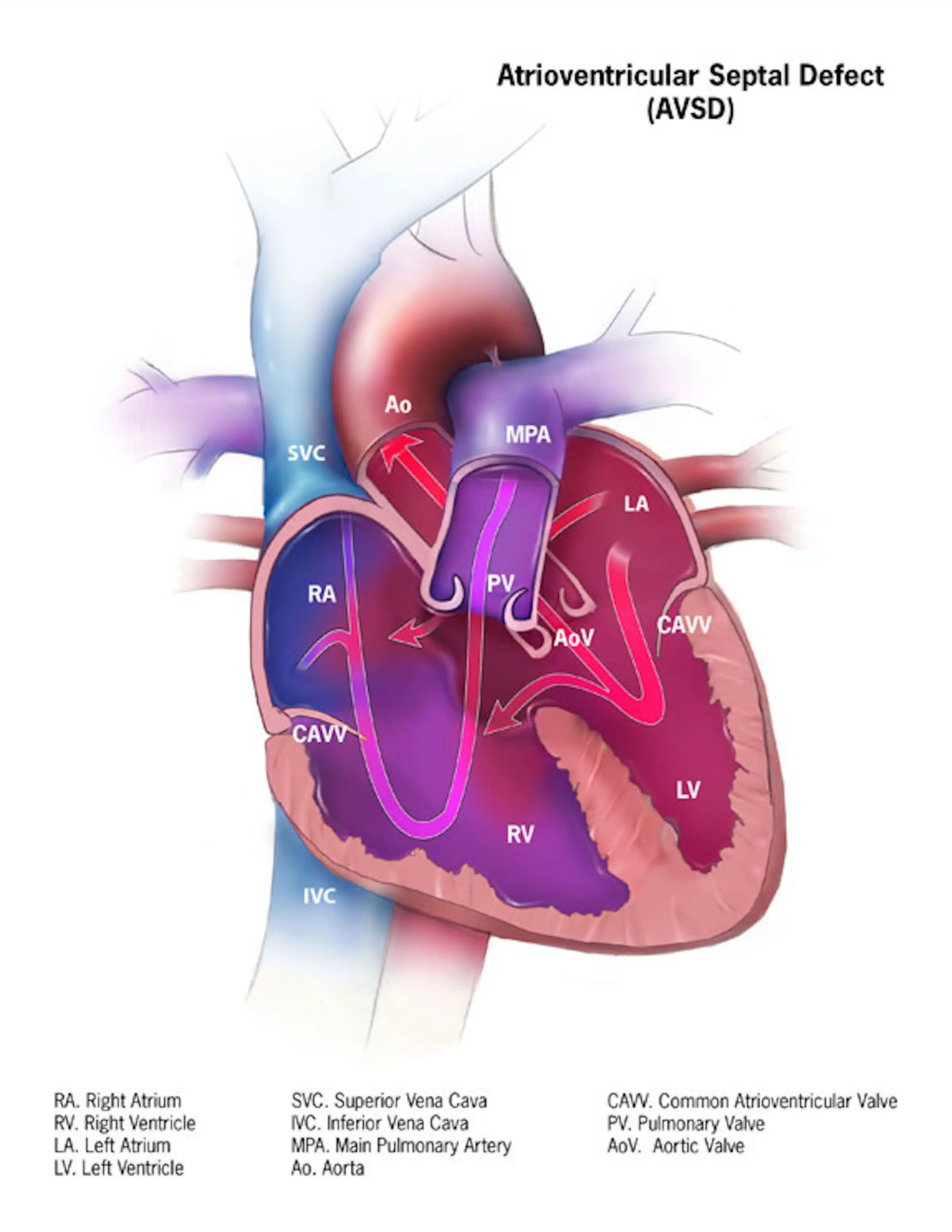
4. Atrioventricular Septal Defect (AVSD)
- Combination of ASD and VSD
- Often associated with genetic conditions such as Down syndrome
5. Coarctation of the Aorta
- Narrowing of the aorta
- Causes high blood pressure in upper body and reduced blood flow to lower body
Causes and Risk Factors
The exact cause is often unknown, but contributing factors include:
- Genetic abnormalities
- Family history of congenital heart disease
- Maternal infections during pregnancy
- Diabetes during pregnancy
- Alcohol, smoking, or drug exposure during pregnancy
- Certain medications taken during pregnancy
Symptoms of Acyanotic Heart Disease
Symptoms vary depending on the type and severity of the defect.
In Infants and Children
- Poor feeding
- Slow weight gain
- Rapid breathing
- Frequent respiratory infections
- Excessive sweating, especially during feeding
In Adolescents and Adults
- Shortness of breath
- Fatigue
- Palpitations
- Exercise intolerance
- Heart murmur detected during examination
Some individuals may remain asymptomatic for years.
Diagnosis of Acyanotic Heart Disease
Diagnosis involves:
- Physical examination and heart murmur detection
- Echocardiography (heart ultrasound)
- Chest X-ray
- Electrocardiogram (ECG)
- Cardiac catheterization (in selected cases)
- CT or MRI of the heart
Early diagnosis improves outcomes and reduces complications.
Treatment Options
Treatment depends on the defect type, size, symptoms, and patient age.
1. Medical Management
- Medications to control symptoms
- Diuretics to reduce fluid overload
- Treatment of associated infections
2. Interventional Procedures
- Device closure for ASD, VSD, or PDA
- Balloon angioplasty for coarctation
3. Surgical Treatment
- Open-heart surgery for complex or large defects
- Usually performed in specialized cardiac centers
Possible Complications if Untreated
If left untreated, acyanotic heart disease may lead to:
- Pulmonary hypertension
- Heart failure
- Arrhythmias
- Increased risk of infections (endocarditis)
- Eisenmenger syndrome (late complication)
Long-Term Outlook
With early diagnosis and appropriate treatment:
- Most patients lead normal lives
- Regular follow-up with a cardiologist is essential
- Some patients may require lifelong monitoring
- Advances in pediatric and adult congenital cardiology have greatly improved survival and quality of life
Living with Acyanotic Heart Disease
Patients should:
- Attend regular cardiac check-ups
- Follow activity recommendations
- Maintain a heart-healthy lifestyle
- Inform doctors about their heart condition before surgeries or dental procedures
When to See a Doctor
Seek medical advice if you notice:
- Breathing difficulty
- Poor growth in children
- Fatigue or exercise intolerance
- Heart murmurs detected during check-ups
Early evaluation ensures better treatment outcomes.

Dr. Yatin Arora
Associated Director CTVS
Asian Institute of Medical Sciences, Faridabad
MBBS
(GGSMC
Faridkot)
MS
(General
Surgery)
MCh
(Cardiothoracic and Vascular Surgery)
MEBCTS
(European
Board of Cardiothoracic Surgery)
FRCS
(Cardiothoracic Surgery)
Our Specialized Services
Contact Information
+91-9814836655
info@dryatinarora.com
Asian Institute of Medical Sciences : Badkal Flyover, Road, Sector 21A, Faridabad, Haryana 121001