

Bentalls Procedure Heart Surgery in Faridabad
Bentall's Procedure
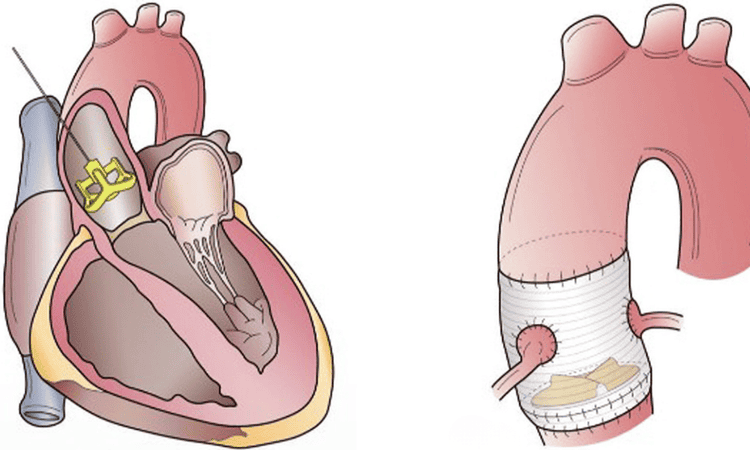
Bentall's Procedure
Bentall's procedure is a major heart surgery performed to treat serious diseases of the aortic root, aortic valve, and ascending aorta. Although the name may sound complex, this surgery has been performed successfully for many years and has saved countless lives. This article explains Bentall's procedure in simple, patient-friendly language to help you understand why it is needed, how it is done, and what recovery looks like.
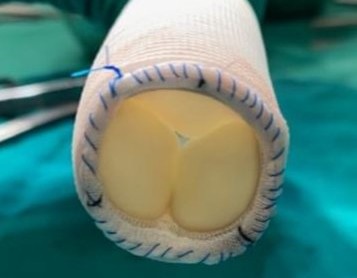
What Is Bentall's Procedure?
Bentall's procedure is a type of open-heart surgery in which the surgeon replaces the aortic valve, aortic root, and ascending aorta. These structures are replaced together using a composite graft, which includes an artificial blood vessel and a prosthetic heart valve. The coronary arteries (which supply blood to the heart muscle) are carefully reattached to the new graft. This combined repair is necessary when disease affects more than one part of the aorta and valve at the same time.
Why Is Bentall's Procedure Needed?
Bentall's procedure is recommended when the aortic root and valve are severely damaged or at risk of rupture. Common reasons include:
- Aortic root aneurysm (dangerous enlargement of the aorta near the heart)
- Severe aortic valve disease (stenosis or regurgitation)
- Aortic dissection involving the root
- Marfan syndrome or other connective tissue disorders
- Bicuspid aortic valve with aortic enlargement
- Infections such as infective endocarditis
- Redo surgery after previous aortic valve or root surgery
The goal is to prevent life-threatening complications like aortic rupture, heart failure, or sudden death.
Symptoms That May Lead to Surgery
Patients needing Bentall's procedure may experience:
- Chest pain
- Shortness of breath
- Fatigue
- Palpitations
- Dizziness or fainting
- Signs of heart failure
- Sometimes no symptoms, but detected on scans
Even without symptoms, surgery may be advised if the aorta reaches a critical size.
How Is Bentall's Procedure Performed?
Bentall's procedure is done under general anesthesia and usually takes several hours.
Key Steps of the Surgery:
- The chest is opened through the breastbone (sternotomy)
- The patient is connected to a heart-lung machine, which takes over blood circulation during surgery
- The diseased aortic valve and aortic root are removed
- A composite graft (artificial valve + tube graft) is implanted
- The coronary arteries are carefully reattached to the new graft
- Blood flow is restored, and the heart is restarted
- Once stable, the chest is closed, and the patient is moved to the intensive care unit (ICU)
Types of Valves Used in Bentall's Procedure
There are two main valve options:
1. Mechanical Valve
- Very durable, lasts a lifetime
- Requires lifelong blood-thinning medication (anticoagulation)
- Suitable for younger patients
2. Biological (Tissue) Valve
- Made from animal tissue
- Usually does not require long-term blood thinners
- May wear out over time and need replacement
Your surgeon will help choose the best option based on age, lifestyle, and medical condition.
Risks and Complications
Bentall's procedure is a complex surgery, but when performed in experienced centers, outcomes are excellent. Possible risks include:
- Bleeding
- Infection
- Stroke
- Heart rhythm disturbances
- Kidney problems
- Valve-related complications
Your surgical team carefully evaluates risks before recommending surgery.
Recovery After Bentall's Procedure
Hospital Recovery
- ICU stay: 1–3 days
- Total hospital stay: 7–10 days (may vary)
At Home
- Full recovery usually takes 6–8 weeks
- Gradual increase in physical activity
- Wound care and medication adherence are essential
Cardiac rehabilitation is often recommended to improve strength and confidence.
Life After Bentall's Procedure
Most patients return to a good quality of life after recovery. Long-term care includes:
- Regular follow-up with a cardiologist
- Periodic echocardiograms or CT scans
- Blood pressure control
- Lifelong medications if prescribed
- Healthy lifestyle (balanced diet, exercise, no smoking)
Patients with mechanical valves must take blood thinners exactly as advised. Bentall's procedure has excellent long-term results. Many patients live normal, active lives for decades after surgery.
When Should You Seek Medical Attention?
Contact your doctor immediately if you experience:
- New or worsening chest pain
- Shortness of breath
- Fever or wound redness
- Palpitations or fainting
- Sudden swelling or weakness
Early evaluation helps prevent complications.