
Surgery for Aneurysms in Faridabad
Surgery for Aneurysms
Surgery for Aneurysms
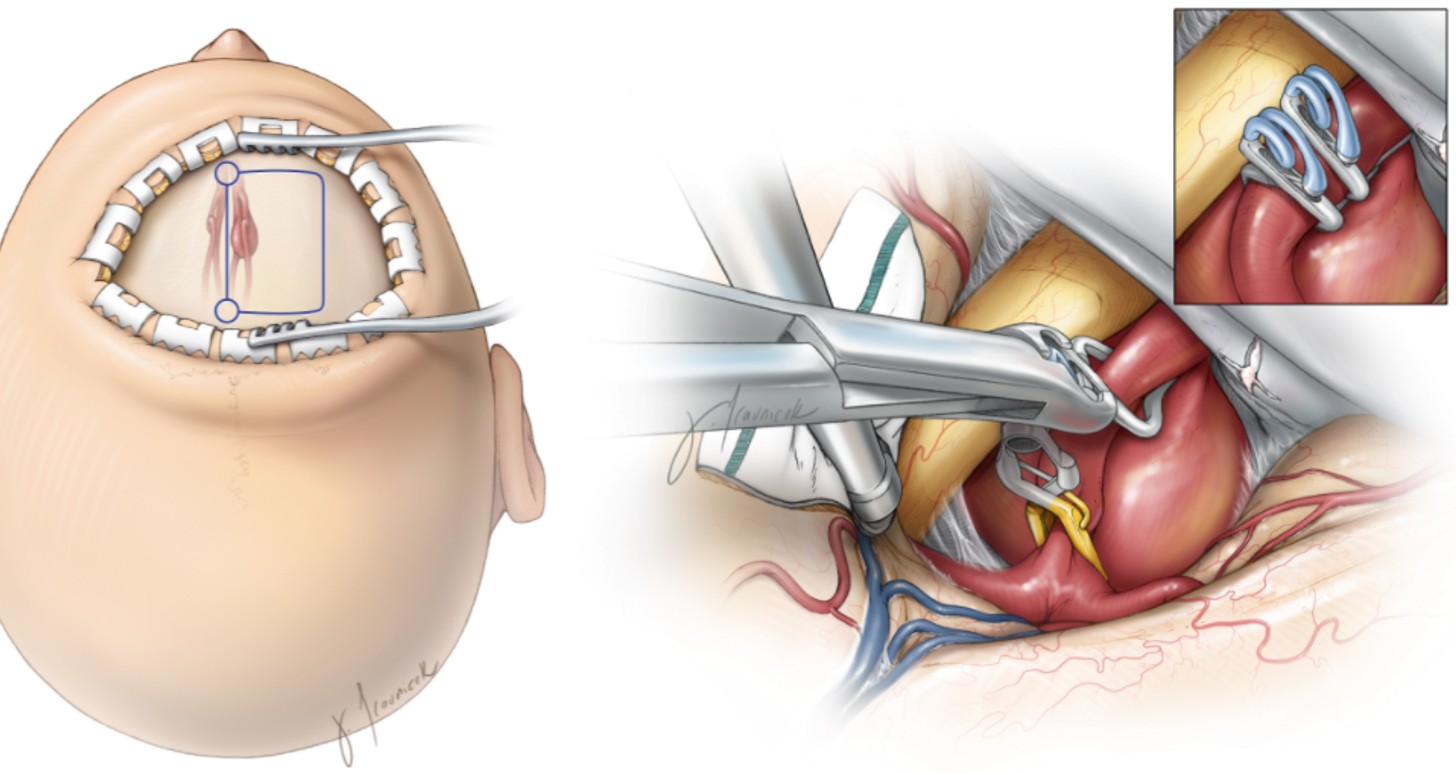
An aneurysm is a serious medical condition in which a blood vessel becomes weakened and bulges outward, much like a balloon. If left untreated, an aneurysm can grow larger and may rupture, leading to life-threatening internal bleeding. Surgery for aneurysms is performed to prevent rupture, relieve symptoms, and protect vital organs. This article explains aneurysm surgery in simple terms to help patients and families understand when surgery is needed, the types of procedures available, and what to expect during recovery.
What Is an Aneurysm?
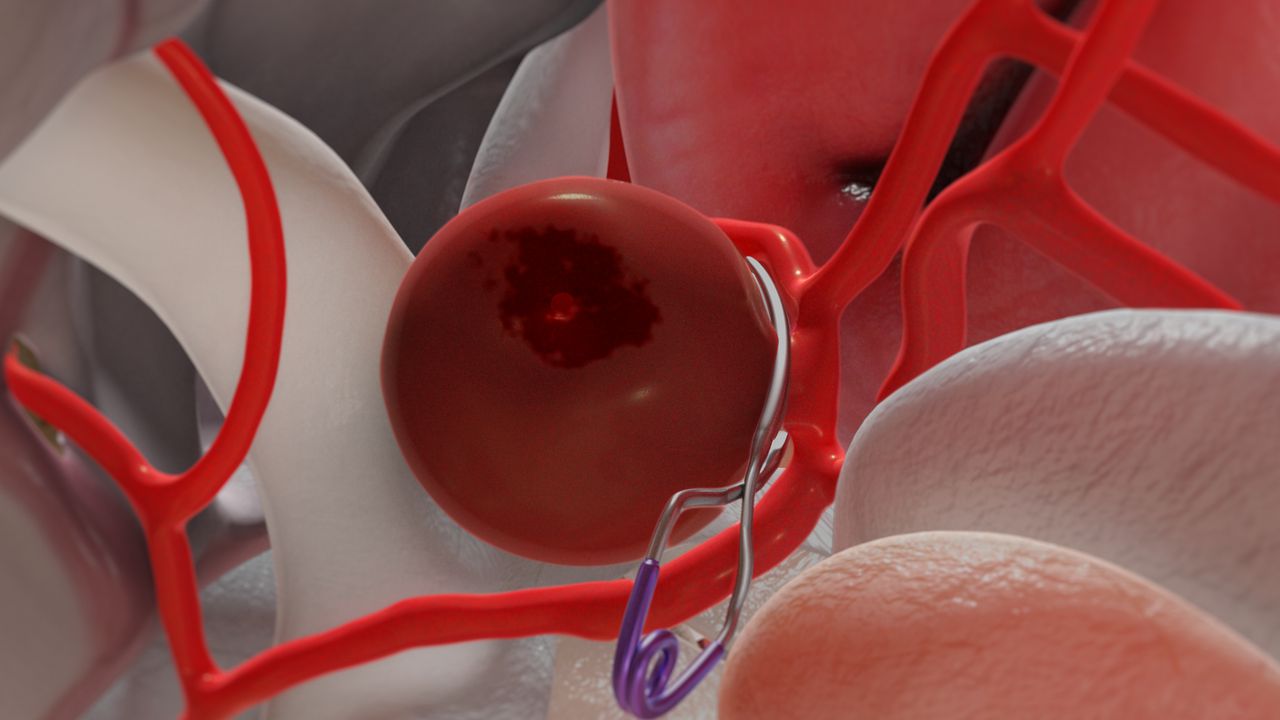
An aneurysm occurs when the wall of an artery weakens and stretches. Aneurysms can develop in different parts of the body, most commonly in the aorta (aortic aneurysm – chest or abdomen), brain (cerebral aneurysm), and peripheral arteries (legs, arms, or other organs). Aneurysms may grow slowly without causing symptoms, making regular check-ups important for people at risk.
Why Is Surgery Needed for an Aneurysm?
Not all aneurysms require immediate surgery. Doctors recommend surgery when:
- The aneurysm reaches a dangerous size
- It is growing rapidly
- It causes pain or other symptoms
- There is a high risk of rupture
- The aneurysm has already ruptured (emergency situation)
The goal of surgery is to repair or replace the weakened section of the artery before rupture occurs.
Types of Aneurysm Surgery
The type of surgery depends on the aneurysm's location, size, and the patient's overall health.
1. Open Aneurysm Surgery
This is the traditional method where the surgeon makes an incision to directly access the aneurysm. The weakened portion of the artery is removed or opened, and a synthetic graft is sewn in place to restore normal blood flow.
2. Endovascular Aneurysm Repair (EVAR / TEVAR)
This is a minimally invasive technique where a catheter is inserted through a small incision in the groin. A stent-graft is guided through the blood vessels to the aneurysm and reinforces the artery from inside to prevent rupture.
Surgery for Aortic Aneurysms
Aortic aneurysms may occur in the ascending aorta, aortic arch, descending thoracic aorta, or abdominal aorta. Surgery may involve replacement of the affected aorta with a graft, repair or replacement of the aortic valve (if involved), or use of heart-lung machine for certain procedures. Timely surgery for aortic aneurysms greatly improves survival and quality of life.
Emergency Surgery for Ruptured Aneurysms
A ruptured aneurysm is a medical emergency with symptoms including sudden severe pain, loss of consciousness, low blood pressure, and shock. Emergency surgery focuses on stopping the bleeding, stabilizing blood flow, and preventing organ damage. Prompt treatment can be life-saving.
Risks and Complications of Aneurysm Surgery
Like all major surgeries, aneurysm repair carries some risks, including:
- Bleeding
- Infection
- Blood clots
- Stroke or heart complications
- Kidney problems
Your surgical team carefully evaluates these risks and takes every precaution to minimize them.
Recovery After Aneurysm Surgery
Recovery varies depending on the type of surgery performed:
After Open Surgery:
- Hospital stay: 7–10 days (or more)
- Full recovery: several weeks to months
- Gradual return to daily activities
After Endovascular Repair:
- Hospital stay: 2–4 days
- Faster return to normal activities
- Regular follow-up scans required
Patients are advised to follow medical instructions strictly during recovery.
Life After Aneurysm Surgery
After surgery, long-term care is essential to maintain health:
- Regular follow-up with imaging tests
- Strict control of blood pressure
- Medications as prescribed
- Healthy diet and regular physical activity
- Avoid smoking and manage cholesterol
Most patients can return to a normal, active life with proper follow-up and lifestyle changes.
When Should You Seek Medical Attention?
Consult a doctor immediately if you experience:
- Sudden chest, back, or abdominal pain
- Dizziness or fainting
- Shortness of breath
- Severe headache or neurological symptoms
Early detection and treatment can save lives.