

Total Arterial Coronary Artery Bypass Grafting in Faridabad
Total Arterial CABG
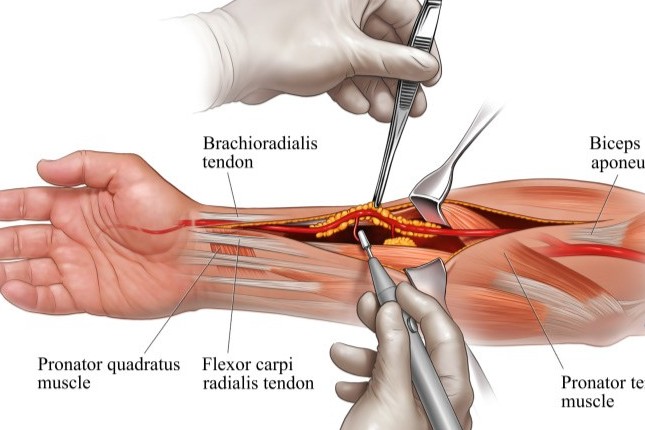
Total Arterial Coronary Artery Bypass Grafting (Total Arterial CABG)
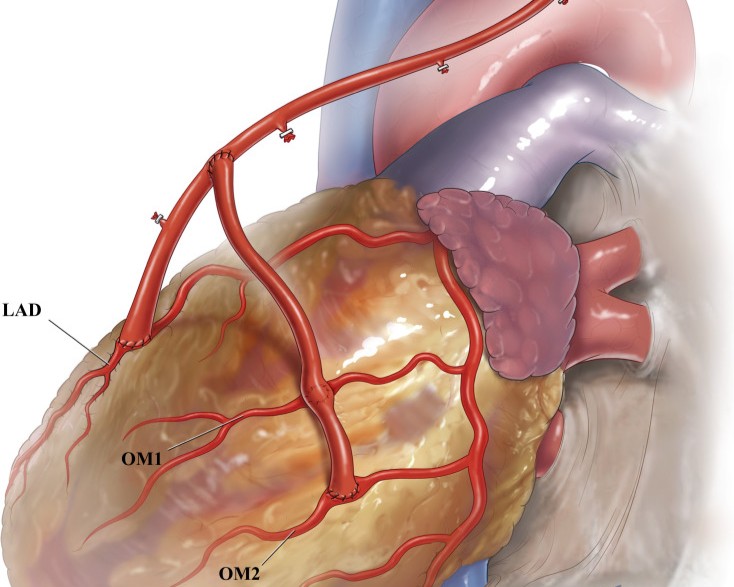
Total Arterial Coronary Artery Bypass Grafting (Total Arterial CABG) is an advanced form of bypass heart surgery in which only arteries (and no veins) are used to restore blood flow to the heart. This technique is increasingly preferred because arterial grafts are more durable and remain open for much longer than vein grafts, offering better long-term outcomes for patients with coronary artery disease.
Total Arterial CABG is a type of coronary artery bypass surgery where all bypass grafts are arterial grafts, usually taken from the chest and arms. Arteries are naturally designed to handle high blood pressure and continuous blood flow, making them more resistant to blockage over time.
Why Is Total Arterial CABG Recommended?
Doctors may recommend Total Arterial CABG for patients who:
- Have multiple coronary artery blockages
- Are younger or middle-aged
- Have diabetes
- Need long-lasting bypass results
- Have good arterial anatomy
- Are at higher risk of vein graft failure
This approach is especially beneficial for patients who want better long-term survival and fewer repeat procedures.
Arteries Used in Total Arterial CABG
Commonly used arterial grafts include:
- Internal Mammary Artery (IMA): Taken from the chest wall, most reliable and long-lasting graft, often used to bypass the left anterior descending (LAD) artery
- Radial Artery: Taken from the forearm, excellent long-term patency, minimal impact on arm function
- Gastroepiploic Artery: Taken from the abdomen, used less commonly, reserved for special situations
How Is Total Arterial CABG Different from Conventional CABG?
| Feature | Total Arterial CABG | Conventional CABG |
|---|---|---|
| Grafts used | Only arteries | Arteries + veins |
| Graft durability | Very high | Moderate |
| Risk of graft blockage | Lower | Higher |
| Long-term outcomes | Superior | Good |
| Suitability for young patients | Excellent | Moderate |
How Is Total Arterial CABG Performed?
Preoperative Evaluation
- Coronary angiography
- Blood tests
- ECG and echocardiogram
- Assessment of arterial suitability
- Anesthesia and surgical planning
During Surgery
- General anesthesia is given
- Chest is opened via breastbone or minimally invasive approach
- Arterial grafts are carefully harvested
- Blocked coronary arteries are bypassed using arterial grafts
- Surgery may be performed on-pump or off-pump (beating heart)
- Blood flow is restored to the heart muscle
The procedure usually lasts 4–6 hours, depending on the number of bypasses.
Advantages of Total Arterial CABG
Total Arterial CABG offers several important benefits:
- Longer-lasting grafts
- Lower risk of graft failure
- Better long-term survival
- Reduced need for repeat surgeries or angioplasty
- Superior outcomes in diabetic patients
- Improved quality of life
- Excellent blood flow to heart muscle
Arterial grafts can remain open for 20–30 years or more in many patients.
Recovery After Total Arterial CABG
Hospital Recovery
- ICU stay: 1–2 days
- Hospital stay: 5–7 days
- Pain control and wound care
- Early mobilization
Home Recovery
- Gradual return to daily activities
- Avoid heavy lifting for 6–8 weeks
- Proper care of chest and arm wounds
- Participation in cardiac rehabilitation
Full recovery generally takes 6–12 weeks.
Risks and Possible Complications
While Total Arterial CABG is safe in experienced hands, possible risks include:
- Bleeding
- Infection
- Irregular heart rhythm
- Arm discomfort or numbness (temporary)
- Prolonged surgery time
- Stroke or heart attack (rare)
Overall complication rates are low, especially in specialized cardiac centers.
Who Is a Good Candidate for Total Arterial CABG?
Ideal candidates include:
- Younger patients
- Patients with diabetes
- Patients with good arterial anatomy
- Patients needing multiple bypass grafts
- Patients seeking long-term durability
Not all patients are suitable. Your cardiac surgeon will determine the best surgical approach after detailed evaluation.
Life After Total Arterial CABG
To maintain long-term benefits:
- Follow a heart-healthy diet
- Exercise regularly as advised
- Quit smoking
- Control blood pressure, cholesterol, and diabetes
- Take medications as prescribed
- Attend regular follow-up visits
Total Arterial CABG provides excellent results, but lifestyle changes are essential to prevent new blockages.
Success Rate and Long-Term Outcomes
- High success rates in experienced centers
- Excellent symptom relief from chest pain
- Superior graft longevity compared to vein grafts
- Lower rate of repeat procedures
- Improved long-term survival
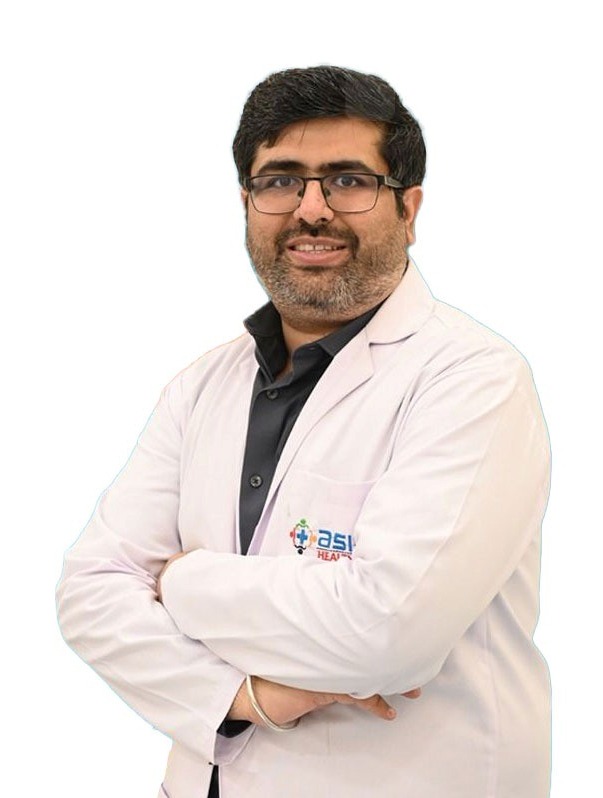
Dr. Yatin Arora
Associated Director CTVS
Asian Institute of Medical Sciences, Faridabad
MBBS
(GGSMC
Faridkot)
MS
(General
Surgery)
MCh
(Cardiothoracic and Vascular Surgery)
MEBCTS
(European
Board of Cardiothoracic Surgery)
FRCS
(Cardiothoracic Surgery)
Our Specialized Services
Contact Information
+91-9814836655
info@dryatinarora.com
Asian Institute of Medical Sciences : Badkal Flyover, Road, Sector 21A, Faridabad, Haryana 121001