

Minimally Invasive Cardiac Surgery in Faridabad
MICS (minimally invasive cardiac surgery)
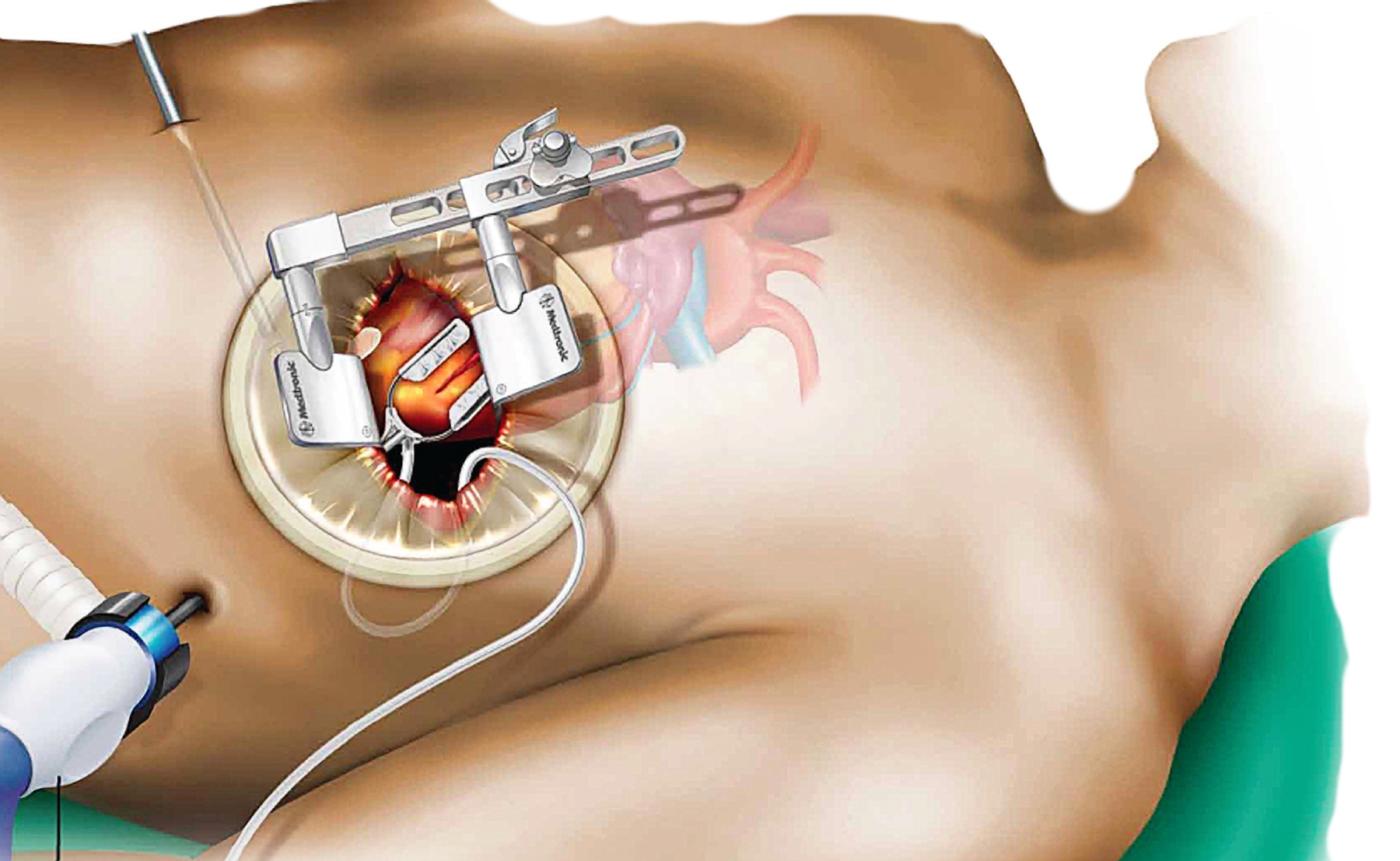
MICS (Minimally Invasive Cardiac Surgery)
Minimally Invasive Cardiac Surgery (MICS) is an advanced approach to heart surgery that allows doctors to treat many heart conditions through small incisions, rather than the traditional large chest opening. MICS has transformed cardiac care by reducing pain, shortening recovery time, and helping patients return to normal life sooner.
MICS refers to heart surgery performed through small cuts between the ribs or tiny openings in the chest. Unlike conventional open-heart surgery, MICS often avoids cutting the breastbone (sternum).
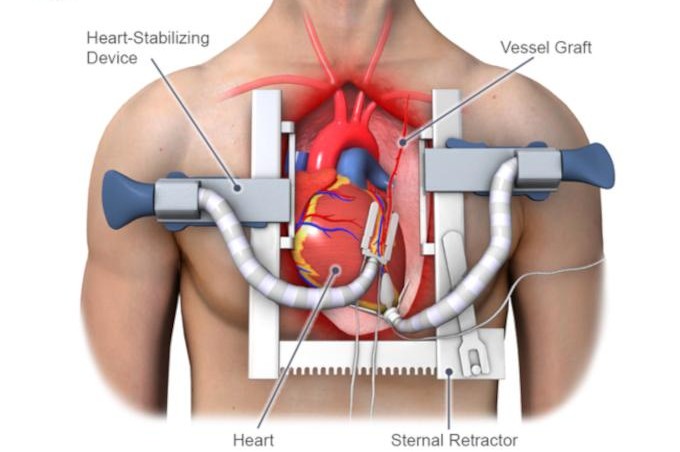
Conditions Treated with MICS
Not all heart conditions require open surgery. Many can now be treated using minimally invasive techniques, including:
- Mitral valve repair or replacement
- Aortic valve replacement (selected cases)
- Tricuspid valve surgery
- Atrial septal defect (ASD) closure
- Removal of cardiac tumors (such as myxoma)
- Coronary artery bypass surgery (selected patients)
- Surgery for certain congenital heart defects
Types of Minimally Invasive Cardiac Surgery
Mini-Thoracotomy
- Small incision on the side of the chest
- Commonly used for valve surgeries
Mini-Sternotomy
- Partial opening of the breastbone
- Less invasive than full sternotomy
Video-Assisted & Robotic Surgery
- Uses a camera to guide surgery through small ports
- Surgeon controls robotic arms for high precision
How Is MICS Performed?
The procedure varies depending on the condition, but generally includes:
- General anesthesia
- Small chest incisions
- Use of specialized instruments and cameras
- Heart-lung machine support (in many cases)
- Repair or replacement of the affected heart structure
- Closure of incisions
Benefits of MICS
Compared to traditional open-heart surgery, MICS offers many advantages:
- Smaller incisions and scars
- Less pain and blood loss
- Lower risk of infection
- Shorter ICU and hospital stay
- Faster recovery and return to daily activities
- Better cosmetic results
Risks and Limitations
While MICS is safe and effective, it may not be suitable for everyone. Possible risks include:
- Bleeding
- Infection
- Heart rhythm problems
- Need to convert to open surgery (rare)
- Longer operation time in some cases
Your surgeon will discuss risks based on your individual health condition.
Recovery After MICS
In Hospital
- ICU stay is usually shorter
- Early mobilization and breathing exercises
- Pain is generally milder than open surgery
At Home
- Return to normal activities in 2–4 weeks (varies)
- Follow medication and wound care instructions
- Attend follow-up appointments
Life After Minimally Invasive Cardiac Surgery
With proper follow-up and lifestyle care, patients can enjoy excellent long-term results:
- Regular cardiology check-ups
- Heart-healthy diet and exercise
- Blood pressure and cholesterol control
- Avoid smoking
Many patients report improved quality of life and confidence after MICS.
Who Is a Good Candidate for MICS?
MICS may be ideal for patients who:
- Have isolated valve disease
- Do not have extensive coronary artery disease
- Have favorable heart anatomy
- Are looking for faster recovery and less scarring
A detailed evaluation determines eligibility.
When Should You Consult a Cardiac Surgeon?
See a heart specialist if you experience:
- Shortness of breath
- Chest discomfort
- Fatigue
- Palpitations
- Swelling of legs
- Known heart valve or structural disease
Early consultation allows timely and less invasive treatment options.