
Vascular Surgery Treatment in Faridabad
Vascular Surgery
Vascular Surgery
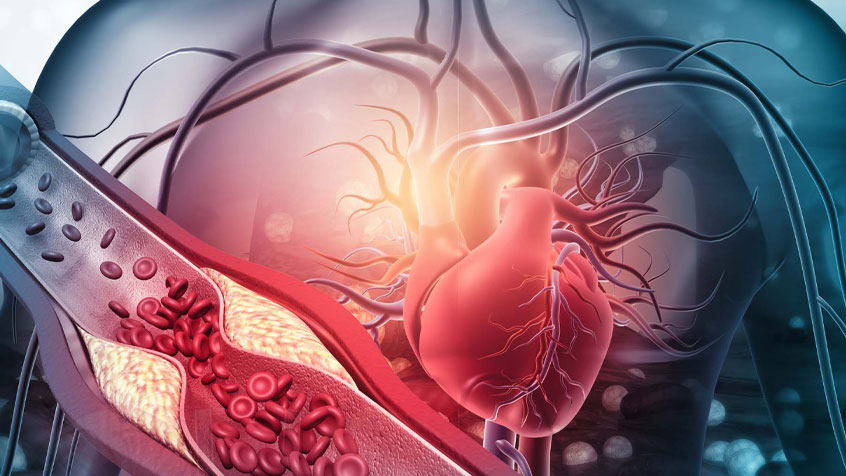
Vascular surgery is a specialized branch of medicine that focuses on diseases of the blood vessels, including arteries, veins, and lymphatic vessels. These vessels carry blood throughout the body, supplying oxygen and nutrients to vital organs. When blood vessels become narrowed, blocked, weakened, or damaged, vascular surgery helps restore healthy blood flow and prevent serious complications.
Vascular surgeons treat both life-threatening emergencies and chronic vascular conditions, using open surgery, minimally invasive techniques, or a combination of both.
What Is Vascular Surgery?
Vascular surgery involves the diagnosis and treatment of conditions affecting:
- Arteries (carry blood away from the heart)
- Veins (return blood to the heart)
- Lymphatic system
Conditions Treated by Vascular Surgery
Vascular surgery covers a wide range of conditions, including:
- Arterial Diseases: Peripheral artery disease (PAD), aortic aneurysms, aortic dissection, carotid artery disease, renal artery stenosis, mesenteric ischemia
- Venous Diseases: Varicose veins, deep vein thrombosis (DVT), chronic venous insufficiency, venous ulcers
- Other Vascular Conditions: Diabetic foot and limb ischemia, vascular trauma, arteriovenous fistulas, dialysis access creation
Types of Vascular Surgery
Open Vascular Surgery
- Traditional surgery with direct access to blood vessels
- Used for complex or advanced disease
- Examples include bypass surgery and aneurysm repair
Endovascular (Minimally Invasive) Surgery
- Performed through small punctures, usually in the groin
- Uses catheters, balloons, and stents
- Smaller incisions, less pain, shorter hospital stay, faster recovery
Common Vascular Surgical Procedures
- Angioplasty and stenting
- Bypass surgery
- Endarterectomy (removal of plaque from arteries)
- Endovascular aneurysm repair (EVAR/TEVAR)
- Carotid endarterectomy
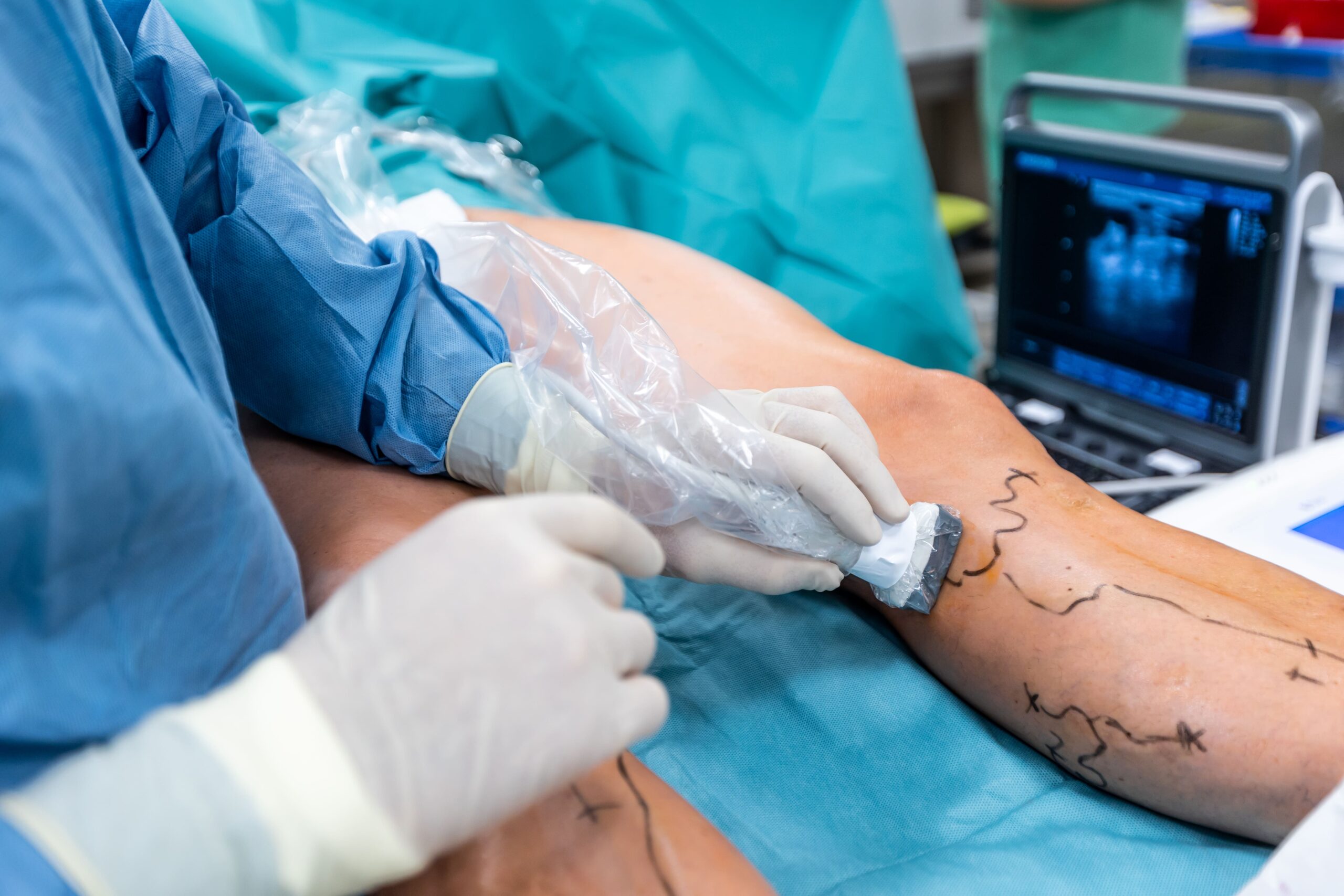
- Varicose vein procedures (laser or radiofrequency)
- Creation of dialysis access (AV fistula)
How to Prepare for Vascular Surgery
Before surgery, doctors may recommend:
- Blood tests and imaging (ultrasound, CT, MRI)
- Heart and lung evaluation
- Optimization of blood sugar and blood pressure
- Smoking cessation
- Medication review
Recovery After Vascular Surgery
Recovery depends on the procedure performed.
In Hospital
- Monitoring of blood flow and vital signs
- Pain control
- Early mobilization
At Home
- Wound care
- Medications as prescribed
- Gradual return to activity
- Follow-up visits and imaging
Risks and Complications
While vascular surgery is generally safe, potential risks include:
- Bleeding
- Infection
- Blood clots
- Graft or stent problems
- Stroke or heart complications (in some cases)
Your surgeon will explain specific risks related to your condition.
Life After Vascular Surgery
Long-term success depends on lifestyle changes and follow-up care:
- Control blood pressure, diabetes, and cholesterol
- Maintain a healthy diet and regular exercise
- Stop smoking
- Take medications consistently
- Attend regular check-ups
When Should You See a Vascular Surgeon?
Consult a doctor if you experience:
- Leg pain while walking
- Non-healing wounds on feet or legs
- Sudden limb pain or coldness
- Swelling or visible veins
- Stroke warning signs
- Persistent abdominal or back pain
Early treatment can prevent serious complications.