
Cardiac Tumors and RSOV Treatment in Faridabad
Cardiac Tumors and RSOVS
Cardiac Tumors and RSOV (Ruptured Sinus of Valsalva)
Heart-related conditions can sound frightening, especially when unfamiliar medical terms are used. This article aims to explain cardiac tumors and Ruptured Sinus of Valsalva (RSOV) in a clear, patient-friendly manner, helping you understand what these conditions are, their symptoms, how they are diagnosed, and the available treatment options.
What Are Cardiac Tumors?
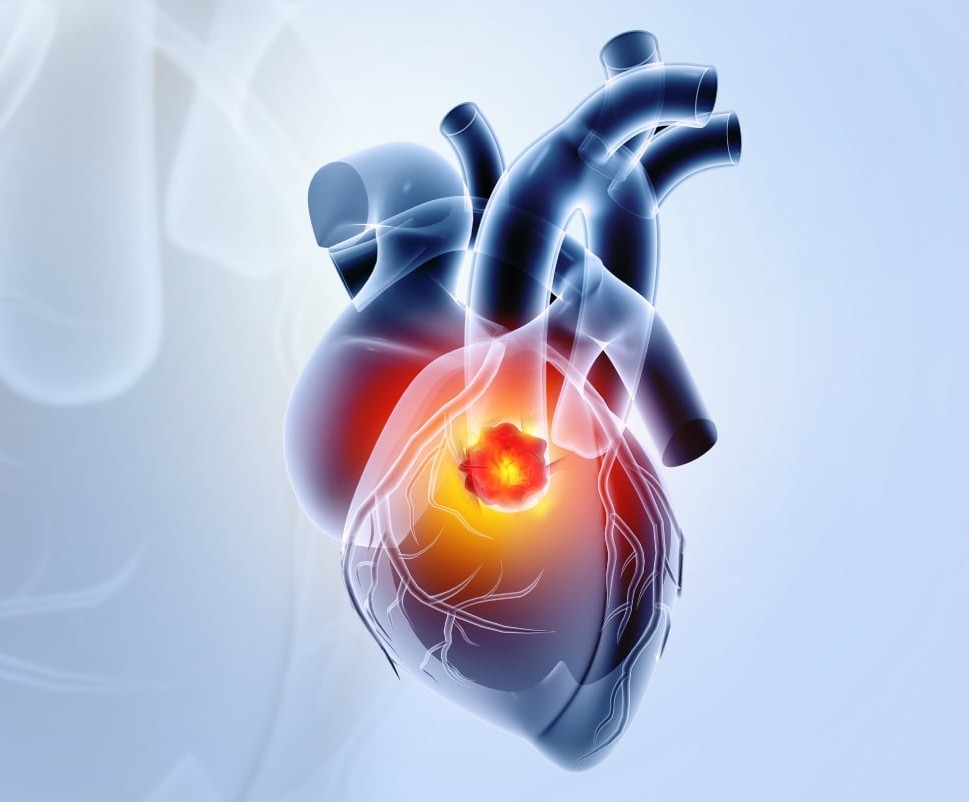
Cardiac tumors are abnormal growths that develop in the heart. They are rare and can be benign (non-cancerous) or malignant (cancerous). Most cardiac tumors are benign and can often be treated successfully when diagnosed early.
Types of Cardiac Tumors
Benign Cardiac Tumors
- Myxoma: The most common type, usually found in the left atrium. It can interfere with blood flow or cause embolism (clots traveling to other organs).
- Papillary fibroelastoma: Often affects heart valves and may cause stroke-like symptoms.
- Rhabdomyoma: More common in children and often associated with genetic conditions.
Malignant Cardiac Tumors
- Sarcomas: Rare but aggressive cancers that grow rapidly.
- Metastatic tumors: Cancers that spread to the heart from other parts of the body, such as the lungs or breast.
Symptoms of Cardiac Tumors
Symptoms depend on the tumor's size and location. Common symptoms include:
- Shortness of breath
- Chest pain
- Palpitations (irregular heartbeat)
- Dizziness or fainting
- Stroke or transient ischemic attacks (due to clots)
- Fatigue and swelling in legs (heart failure symptoms)
Some patients may have no symptoms, and the tumor is found incidentally during imaging tests.
Diagnosis of Cardiac Tumors
Doctors may use:
- Echocardiography (2D/3D Echo): The most common and effective initial test
- Cardiac MRI or CT scan: For detailed imaging
- Blood tests and biopsy (in selected cases)
Treatment of Cardiac Tumors
- Surgical removal is the main treatment for most symptomatic tumors.
- Regular monitoring may be advised for small, asymptomatic benign tumors.
- Chemotherapy or radiotherapy may be needed for malignant tumors.
- Early treatment often leads to excellent outcomes, especially for benign tumors.
RSOV (Ruptured Sinus of Valsalva)
What Is the Sinus of Valsalva?
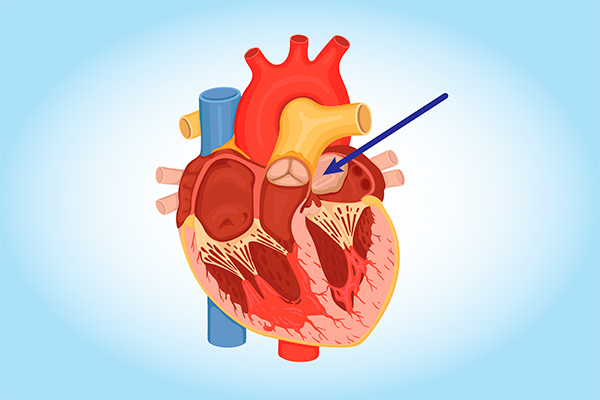
The Sinus of Valsalva is a small pouch-like structure located at the root of the aorta (the main artery carrying blood from the heart). There are three sinuses, and they play a role in the proper functioning of the aortic valve.
What Is RSOV?
Ruptured Sinus of Valsalva (RSOV) is a rare but serious condition where one of these sinuses develops an abnormal bulge (aneurysm) and eventually ruptures. This causes abnormal blood flow between heart chambers or major vessels.
Causes of RSOV
- Congenital (present from birth) – the most common cause
- Infections such as infective endocarditis
- Trauma
- Degenerative conditions
- Post-cardiac surgery complications
Symptoms of RSOV
Symptoms may appear suddenly or gradually and can include:
- Sudden shortness of breath
- Chest pain
- Rapid heartbeat
- Fatigue
- Swelling of legs or abdomen
- Signs of heart failure
- In severe cases, shock or collapse
Some patients may have mild symptoms initially that worsen over time.
Diagnosis of RSOV
RSOV is diagnosed using:
- Echocardiography (key diagnostic tool)
- CT scan or cardiac MRI
- Cardiac catheterization (in selected cases)
Early diagnosis is crucial, as untreated RSOV can lead to serious complications.
Treatment of RSOV
- Surgical repair is the standard and most definitive treatment.
- Catheter-based closure may be an option in selected patients.
- Treatment aims to close the rupture and restore normal blood flow.
- With timely treatment, most patients recover well and can return to normal activities.
Living With and After Treatment
After treatment for cardiac tumors or RSOV:
- Regular follow-up with a cardiologist is essential.
- Medications may be prescribed to support heart function.
- Lifestyle changes such as a heart-healthy diet, regular exercise (as advised), and avoiding smoking help improve long-term outcomes.
- Most patients can lead a good quality of life after successful treatment.
When to See a Doctor
Seek medical attention if you experience:
- Unexplained shortness of breath
- Chest pain
- Fainting or dizziness
- Sudden fatigue or swelling
- New or worsening heart-related symptoms
Early consultation can be life-saving.