

Hybrid Aortic Procedures
Hybrid Aortic Procedures
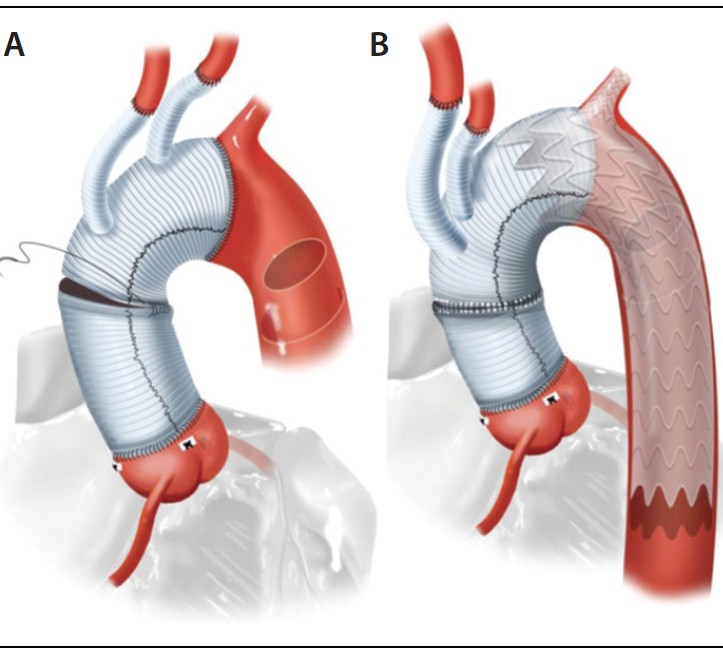
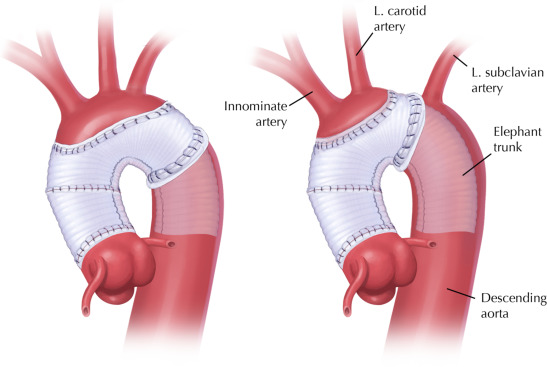
Diseases of the aorta can be complex and sometimes involve more than one part of this major blood vessel. In such situations, doctors may recommend hybrid aortic procedures. These advanced treatments combine open surgery and minimally invasive (endovascular) techniques to offer safer and more effective care for selected patients. This article explains hybrid aortic procedures in simple language to help patients and families understand what they are, when they are needed, and what to expect.
The aorta is the main artery that carries blood from the heart to the rest of the body. Conditions that may affect the aorta include:
- Aortic aneurysms (abnormal ballooning of the aorta)
- Aortic dissections (tear in the aortic wall)
- Aortic arch disease
- Previous aortic surgery with new complications
When these conditions are extensive or involve difficult areas like the aortic arch, treatment can be challenging using only traditional surgery or only minimally invasive methods.
What Are Hybrid Aortic Procedures?
Hybrid aortic procedures combine:
- Open surgical techniques (to reroute or protect blood flow)
- Endovascular repair (placing stent-grafts through blood vessels without large incisions)
These procedures are often performed in a hybrid operating room, specially equipped for both surgery and advanced imaging. The goal is to reduce surgical risk while achieving complete and durable repair of the aorta.
Why Are Hybrid Procedures Needed?
Hybrid aortic procedures are recommended when:
- The disease involves multiple segments of the aorta
- Traditional open surgery would be too risky
- Endovascular repair alone is not possible or safe
- The patient is elderly or has other medical conditions
- Blood flow to vital organs (brain, arms, or spinal cord) must be preserved
They allow surgeons to treat complex conditions in a staged or combined manner.
Common Types of Hybrid Aortic Procedures
1. Hybrid Aortic Arch Repair
- Surgeons first reroute blood vessels supplying the brain and arms (debranching)
- Then, a stent-graft is placed to repair the diseased part of the aorta
- This approach avoids prolonged open surgery on the aortic arch
2. Hybrid Repair for Thoracic Aortic Aneurysm
- Open surgery prepares the aorta or nearby vessels
- Endovascular stenting repairs the aneurysm
- Reduces the need for full chest opening
3. Hybrid Treatment for Aortic Dissection
- Surgical repair of the most critical section
- Endovascular stent placement to stabilize the remaining dissection
- Improves blood flow to vital organs
4. Hybrid Procedures After Previous Aortic Surgery
- Used in patients who have already had heart or aortic surgery
- Avoids repeat extensive open operations
- Focuses on safer, targeted repair
How Is a Hybrid Aortic Procedure Performed?
The exact steps depend on the condition, but generally include:
- Preoperative planning with CT scans and imaging
- Open surgical step to reroute or prepare blood vessels
- Endovascular stent-graft placement through small groin incisions
- Continuous imaging to ensure accurate placement
- Monitoring in the intensive care unit (ICU)
The procedure may be done in one stage or in planned stages.
Benefits of Hybrid Aortic Procedures
- Less invasive than full open surgery
- Shorter operating time in complex cases
- Reduced blood loss
- Faster recovery for many patients
- Lower risk for high-risk or elderly patients
- Effective treatment of complex aortic disease
Risks and Possible Complications
As with any major procedure, there are potential risks, including:
- Bleeding or infection
- Stroke or nerve injury
- Kidney problems
- Spinal cord injury (rare)
- Endoleaks (persistent blood flow outside the stent)
- Need for future procedures
Your medical team carefully evaluates risks before recommending treatment.
Recovery After Hybrid Aortic Procedures
Hospital Recovery
- ICU stay: 1–3 days (may vary)
- Total hospital stay: usually shorter than open surgery alone
At Home
- Gradual return to daily activities
- Follow medication and wound care instructions
- Avoid heavy lifting initially
Most patients recover faster compared to traditional open aortic surgery.
Life After a Hybrid Aortic Procedure
Long-term care is essential and includes:
- Regular follow-up with imaging (CT or MRI scans)
- Blood pressure control
- Medications as prescribed
- Healthy lifestyle changes
- Smoking cessation
With proper follow-up, most patients can enjoy a good quality of life.
When Should You Seek Medical Help?
Contact your doctor immediately if you experience:
- Sudden chest or back pain
- Shortness of breath
- Weakness, speech difficulty, or vision changes
- Fever or wound problems
- New or worsening symptoms